Elegant, achievable French seafood dishes ready in under 45 minutes. Pan-seared fish, buttery mussels, and salmon en papillote-restaurant-quality dinners for busy weeknights.
May 30, 2026 · 11 min read
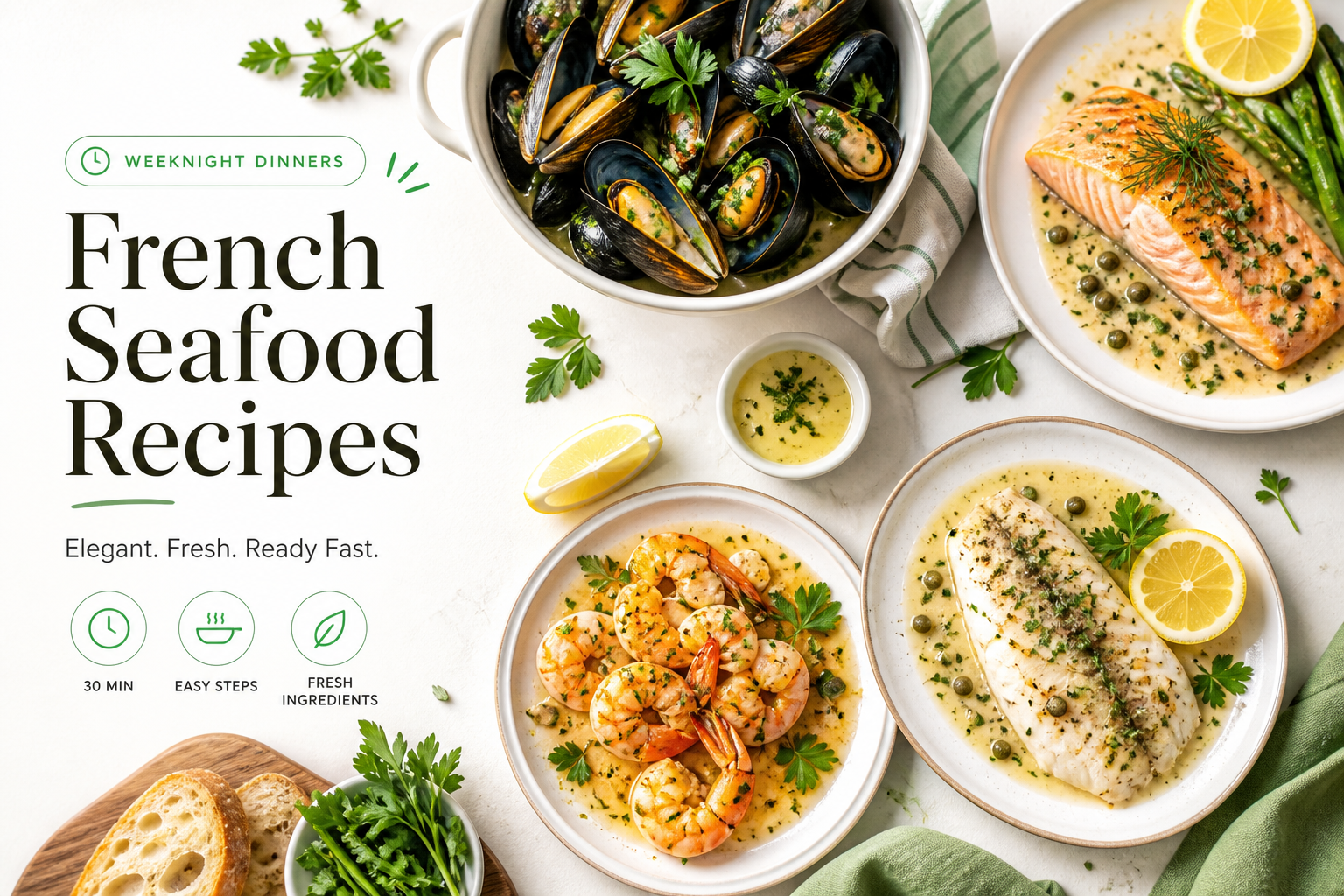
Weeknight dinners don’t have to mean rushed, simple, or boring. French cuisine proves that elegance and ease aren’t opposites-they’re partners. The best French seafood recipes share a quiet confidence: they trust fresh ingredients, precise technique, and proper timing to create something beautiful in under 45 minutes.
Whether you’ve got a 20-minute window or a leisurely half-hour, these dishes prove that restaurant-quality seafood is entirely achievable at home. No fancy equipment needed. Just fresh fish, a hot pan, and a little technique.
TL;DR
French seafood cooking for weeknights is achievable, elegant, and genuinely quick-most recipes finish in 10-30 minutes. The philosophy is ingredient-focused, not ingredient-heavy: a perfect piece of sole meunière needs only butter and lemon. Mussels in white wine sauce thrive on simplicity. Pan-seared shrimp becomes dinner in the time it takes pasta to cook. Master these seven recipes and you’ll have a rotation of elegant weeknight meals that taste far better than the effort suggests.
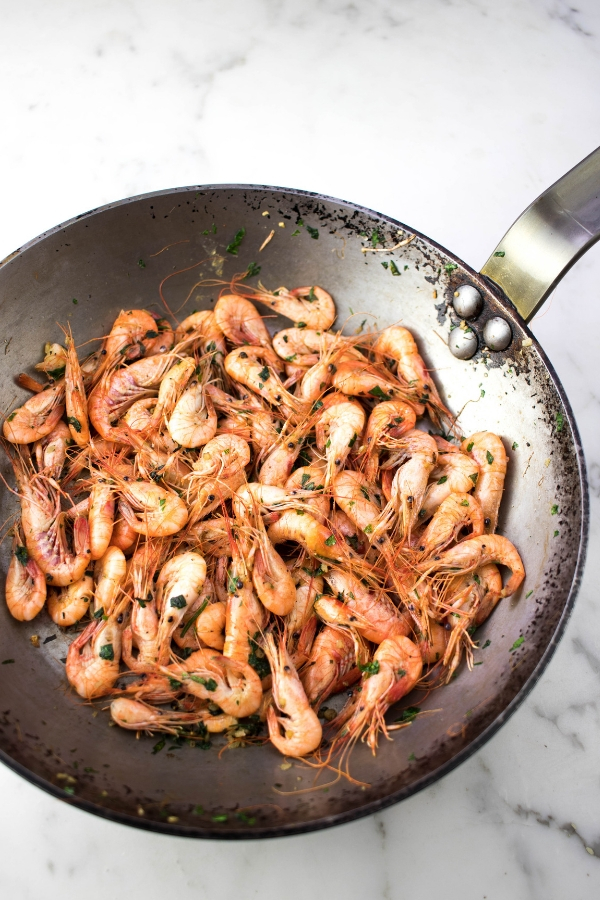
1. Crevettes à l’ail (garlic shrimp) – 10 minutes
This is the fastest dish on the list and somehow the most elegant. Large shrimp, sliced garlic, butter, white wine, and parsley. The technique is straightforward: high heat, fast cooking, finish with a squeeze of lemon. There’s nowhere to hide-every element has to be good.
Buy shrimp already peeled and deveined to save precious minutes. Choose ones about 16-20 per pound so they cook evenly and finish in just 5 minutes in the pan. The garlic should be thin-sliced and toasted in butter until it’s golden-this takes discipline because it’s easy to go from golden to burnt in 10 seconds.
Time: 10 minutes | Serves: 2-3 | Difficulty: Very Easy
This pairs beautifully with crusty bread to soak up the sauce, or over pasta. If you want a variation on this technique, creamy garlic butter shrimp pasta takes the same method and builds it into a full dish.
2. Sole meunière – 10 minutes
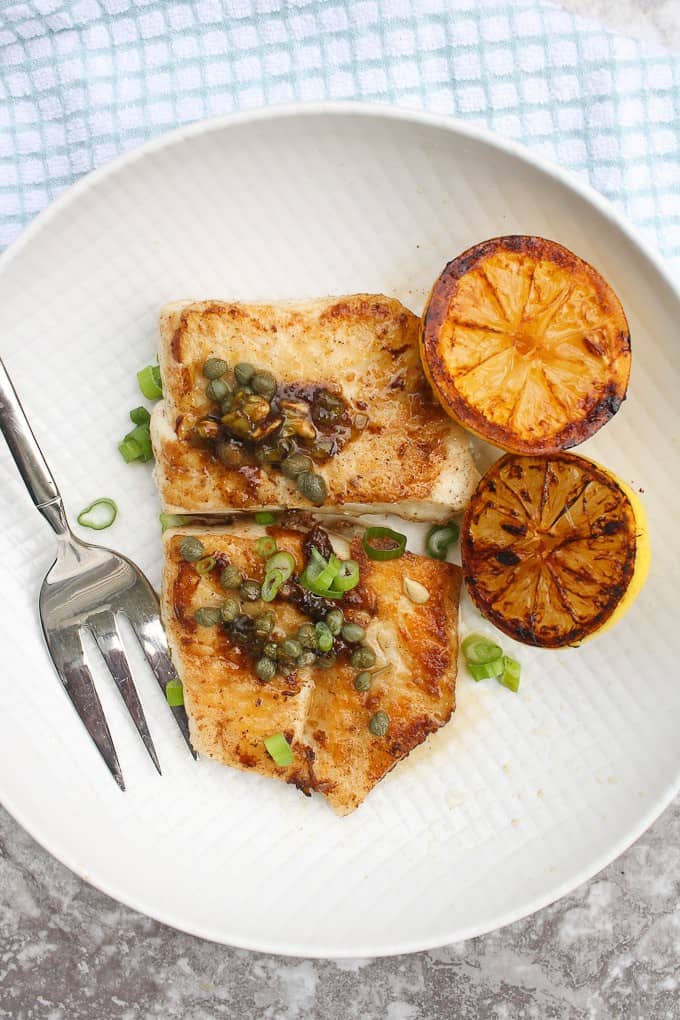
Julia Child’s favorite. A delicate white fish, dredged in flour, pan-seared in butter, finished with browned butter and lemon. The sound of sole hitting hot butter is the sound of dinner coming together.
The key is proper fish preparation: pat it completely dry before dredging, or the flour won’t brown. Use clarified butter or a blend of butter and oil so you can get the pan hot enough without the butter burning. When the fillet’s in the pan, leave it alone for 3-4 minutes-resisting the urge to move it is how you get a golden crust.
Time: 10 minutes | Serves: 2 | Difficulty: Easy
Sole is delicate, so choose fillets about ½-inch thick and no larger than your palm. The lemon finish isn’t optional-it’s essential. Squeeze it fresh over the finished dish.
3. Moules marinières (sailor-style mussels) – 25 minutes
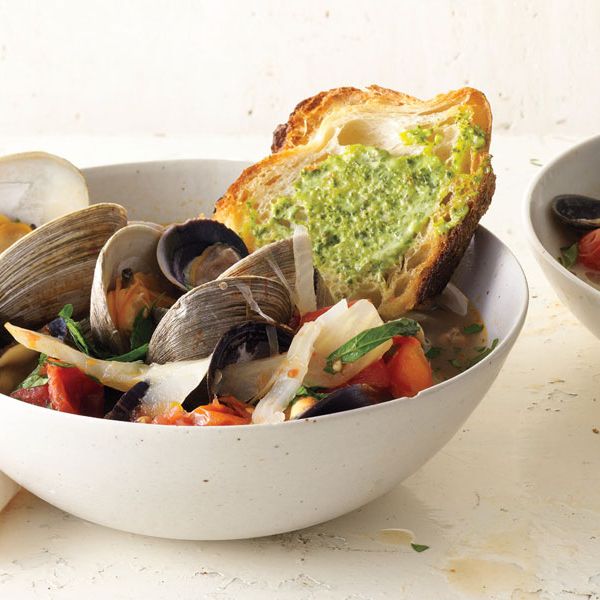
The philosophy of this dish is simplicity itself: mussels, white wine, shallots, cream, and parsley. The mussels release their own briny liquid, which mingles with the white wine and shallots to create a sauce worth fighting over.
Start by cleaning the mussels thoroughly: rinse them under cold water and pull off the beard (the stringy bit). Discard any that don’t close when tapped. Heat white wine and sliced shallots, add the mussels, cover, and steam for 5-7 minutes until they open. Any that don’t open should be discarded.
Time: 25 minutes | Serves: 4 | Difficulty: Easy
This is forgiving and impressive-the kind of dish that feels restaurant-quality but requires no special skill, just attention. Serve in bowls with plenty of the broth and crusty bread for soaking.
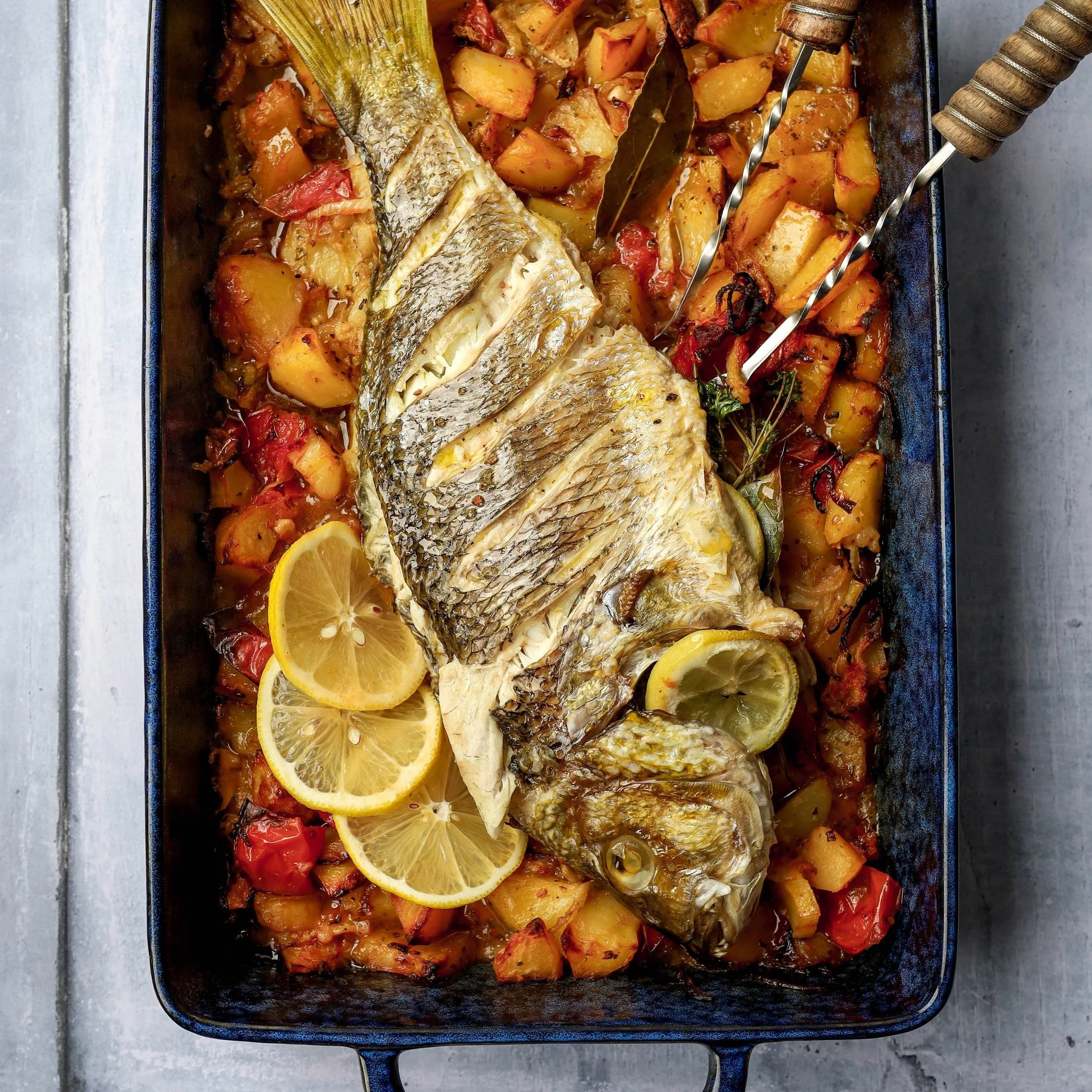
4. Provençal cod – 30 minutes
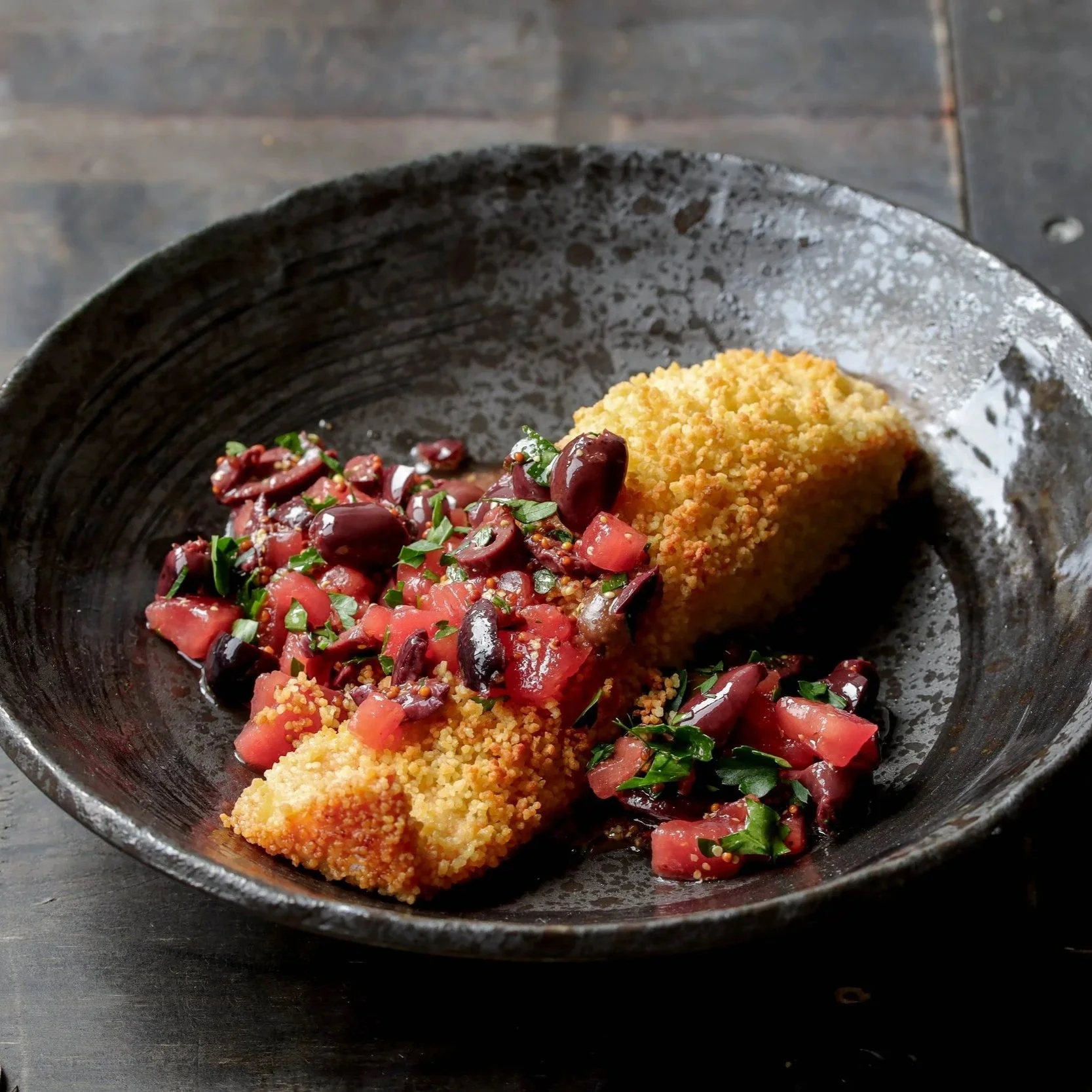
A one-pan dinner that captures the warmth of Provence: white fish, tomatoes, peppers, olives, and garlic all baked together. The fish cooks gently in the vegetable sauce, staying moist while the vegetables caramelize slightly.
This is the most forgiving recipe on the list. Slice your vegetables (peppers, onions, zucchini if you like), sauté them with garlic and canned tomatoes, nestle the cod fillets into the sauce, and bake at 400°F for 12-15 minutes until the fish flakes easily. The sauce does the heavy lifting-if your fish is done and your vegetables are soft, you’re done.
Time: 30 minutes | Serves: 4 | Difficulty: Easy
This works with any white fish: cod, halibut, sea bass. Buy thick fillets (about 1 inch) so they don’t overcook while the vegetables finish.
5. Salmon en papillote – 25 minutes
Cooking fish in parchment paper is a gift to busy cooks. The steam created inside the paper cooks the fish perfectly, keeping it impossibly moist. Vegetables and herbs cook alongside, infusing everything with flavor.
Fold a sheet of parchment in half, place a salmon fillet on one side with thin-sliced vegetables (zucchini, fennel, or mushrooms) and herbs, fold the paper to seal, and bake at 400°F for 12-15 minutes until the paper puffs. Open carefully (steam is hot), squeeze lemon over the top, and you’re done.
Time: 25 minutes | Serves: 4 | Difficulty: Easy
Garlic butter salmon with asparagus uses the same papillote principle with a slightly different vegetable mix-both are excellent for weeknights.
6. Fish à la minute – 30 minutes
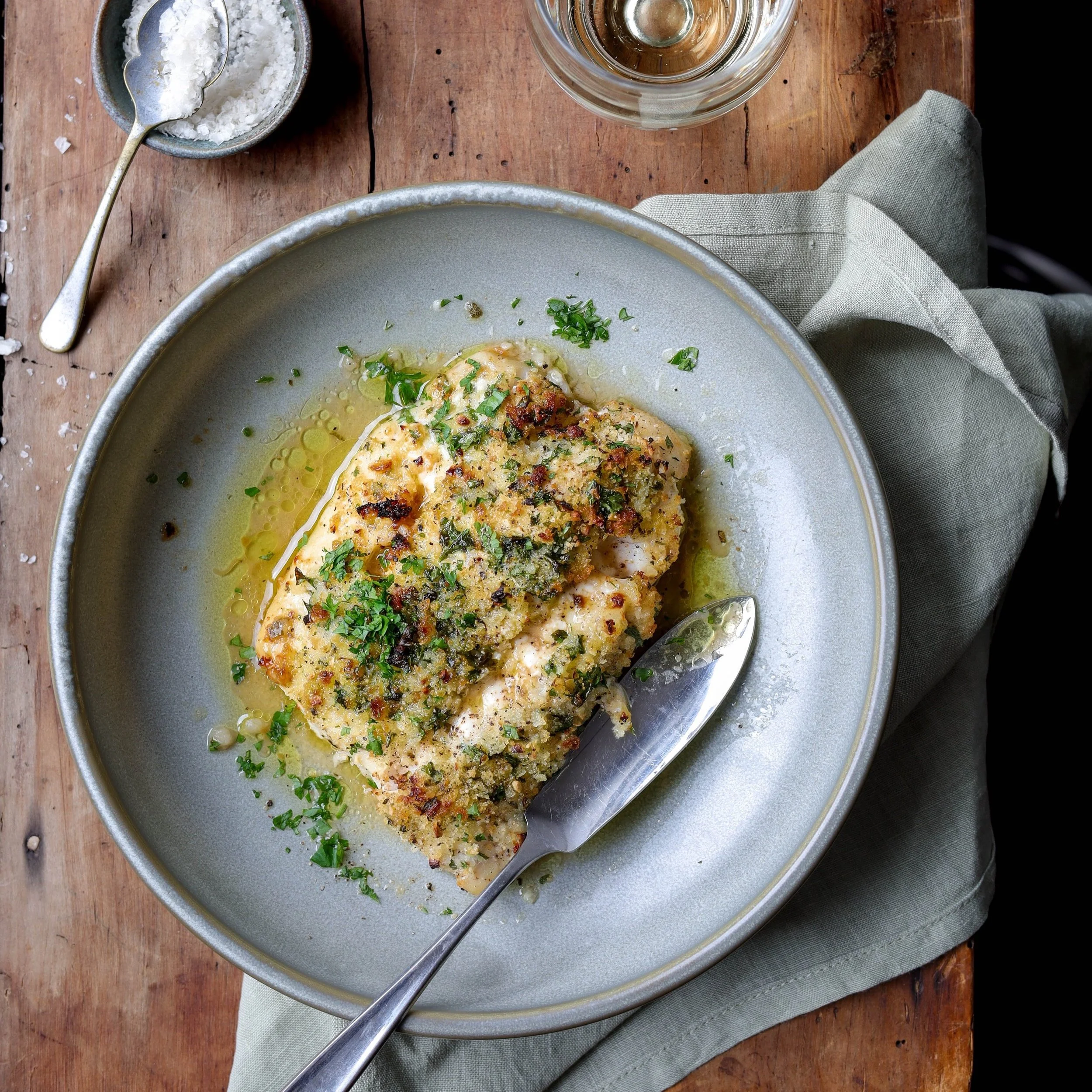
“À la minute” means “to order,” as in “made fresh when you order it.” The dish is a whole or filleted fish (or fillets), baked with white wine, vermouth, and shallots, the juices finished with butter to create a silky sauce.
The name suggests it’s quick, and it is. The technique is almost embarrassingly simple: arrange fish in a baking dish with sliced shallots, pour white wine and vermouth over the top, bake covered at 375°F for 12-15 minutes, remove the lid, finish with cold butter stirred into the pan juices, and plate.
Time: 30 minutes | Serves: 4 | Difficulty: Easy
This is the kind of dish that tastes like you spent hours on it. The butter-wine reduction is elegant, the fish is tender, and the shallots dissolve into the sauce. Use medium fillets so they cook through in the given time.
7. Bouillabaisse (Provençal seafood stew) – 50 minutes
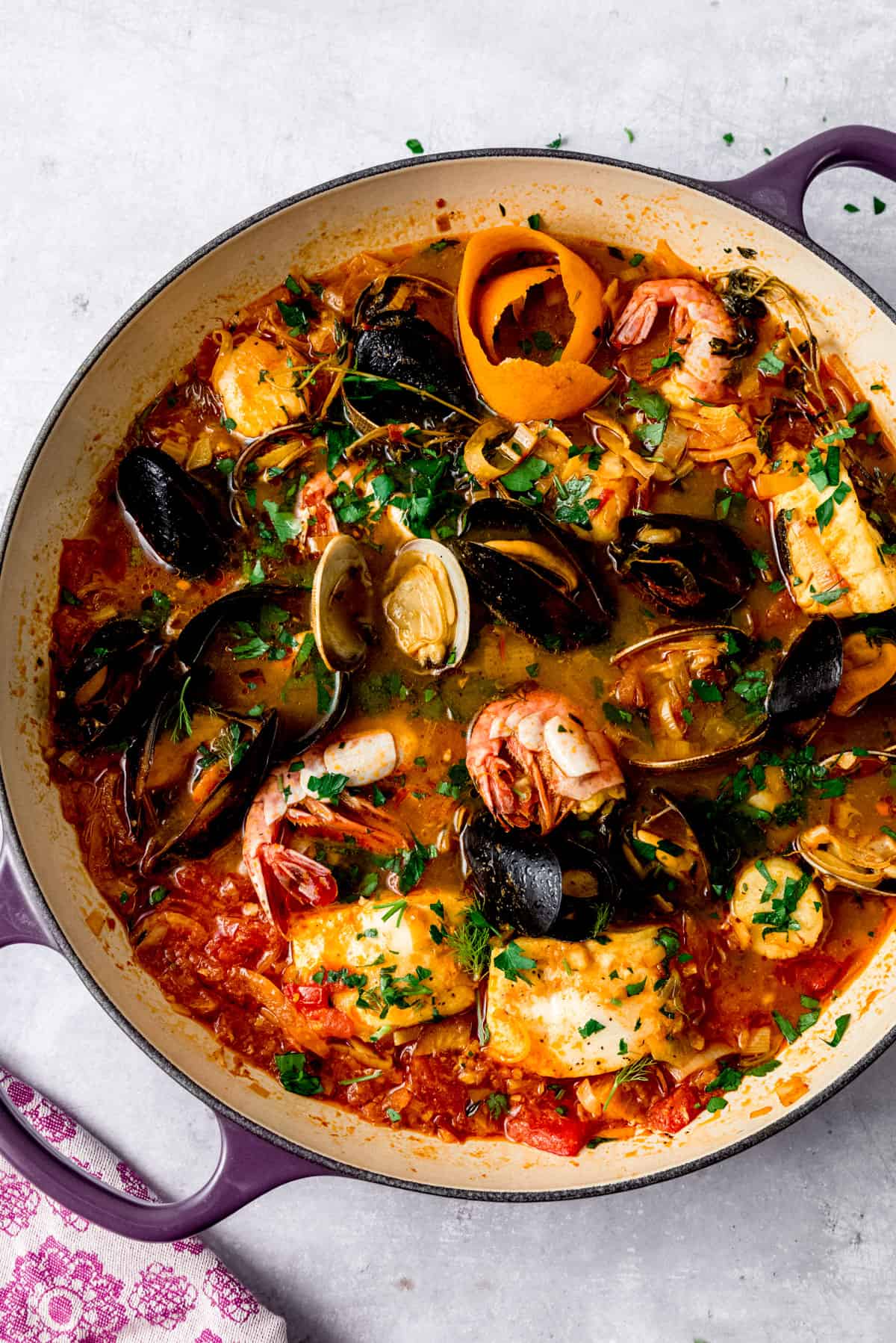
If the others are weeknight quick-fixes, bouillabaisse is the leisurely Saturday dinner-still achievable, still elegant, but with enough depth that it’s worth the extra time. It’s a saffron-scented broth loaded with mixed seafood, served with rouille and crusty bread.
The trick to fast bouillabaisse is building flavors efficiently: sauté aromatics (leeks, fennel, garlic), add canned tomatoes and stock, add saffron steeped in hot broth, then add seafood in stages by cooking time. Shrimp and fish go in last so they cook 5-7 minutes. Mussels go in even later, finishing as the broth heats through them.
Time: 50 minutes | Serves: 4-6 | Difficulty: Intermediate
This is the dish that feels most “special” because it looks impressive and tastes complex, but it’s really just organized cooking. Buy a seafood mix: shrimp, mussels, and a firm white fish cut into chunks. The variety matters more than the exact selection.
Weeknight seafood technique essentials
These seven recipes share common themes that unlock the rest of French seafood cooking.
Ingredient quality is non-negotiable. You can’t mask mediocre seafood with fancy sauces. The recipes here are ingredient-forward by design. A perfect piece of sole needs only butter and lemon. Mussels in white wine sauce shine because of the mussels themselves. Shop at a fishmonger with good turnover, buy the day you cook, and ask what’s fresh that week.
Prep ahead, cook fresh. Chop aromatics (shallots, garlic, parsley) the morning of, store them separately in the fridge. Never prep the fish itself ahead-buy it hours before cooking, pat it dry just before it hits the pan. This takes 5 extra minutes and guarantees better texture.
High heat, quick cooking. Most of these dishes finish on high heat in minutes. A hot pan, a hot oven, quick searing-this prevents overcooking and builds flavor. Cold pan, slow cooking doesn’t work for these delicate proteins.
Butter is the finishing move. These recipes aren’t heavy, but butter plays a starring role. It’s not about adding fat; it’s about emulsifying pan juices into a silky sauce. A knob of cold butter stirred into pan juices in the last 30 seconds transforms the dish.
Wine, not water. Every recipe uses dry white wine instead of stock or water. This builds complexity with almost no effort. Buy a bottle you’d drink, keep it open in the fridge (it lasts weeks), and it becomes your go-to cooking ingredient.
Try viafrance.store
ViaFrance specializes in exactly these kinds of dishes: restaurant-quality recipes broken down into achievable steps for home cooks. Alex’s food styling background means every recipe comes with professional guidance on technique, ingredient selection, and plating that makes the food look as good as it tastes. Beyond these seafood recipes, you’ll find everything from quick weeknight pastas to ambitious weekend projects like Beef Wellington. The philosophy is consistent: emphasis on technique, ingredient quality, and the confidence that you can cook restaurant-quality food at home.
Frequently Asked Questions
Can I use frozen seafood for these recipes?
Yes, but with care. Thaw seafood overnight in the fridge, never at room temperature. Fresh is always better for texture and flavor, but frozen works when thawed properly. Salmon en papillote handles frozen particularly well since the parchment method keeps everything moist.
What white wine should I use for cooking?
Use a dry, crisp white wine you’d actually drink-Sauvignon Blanc, Pinot Grigio, or unoaked Chardonnay. Avoid ‘cooking wine’ from the grocery store. A good rule: if you wouldn’t drink it, don’t cook with it. An open bottle in the fridge lasts weeks and you’ll always have it ready.
How do I know when fish is done?
Fish is done when it flakes gently with a fork and is opaque throughout, not translucent. For precise doneness, the thickest part should reach 145°F (63°C) on a meat thermometer. Better slightly underdone than overdone-residual heat will finish cooking while you plate.
Can I prep these dishes ahead of time?
You can prep aromatics (garlic, shallots, herbs) hours ahead in separate containers. Never prep fish in advance-buy it the day you cook. Prep fish only 15 minutes before cooking. This keeps texture perfect and flavor bright.
What pairs with these seafood dishes?
Simple sides shine: crusty bread for sauce-soaking, steamed potatoes, or seasonal vegetables. A green salad with Dijon vinaigrette balances richness. For drinks, stick with dry white wine that matches your cooking wine. The seafood and sauce are the stars-don’t overcomplicate the plate.