Discover the professional secrets to a perfect Moroccan-Spanish tortilla, from spice blooming to the perfect plate-flip technique.
May 11, 2026 · 10 min read
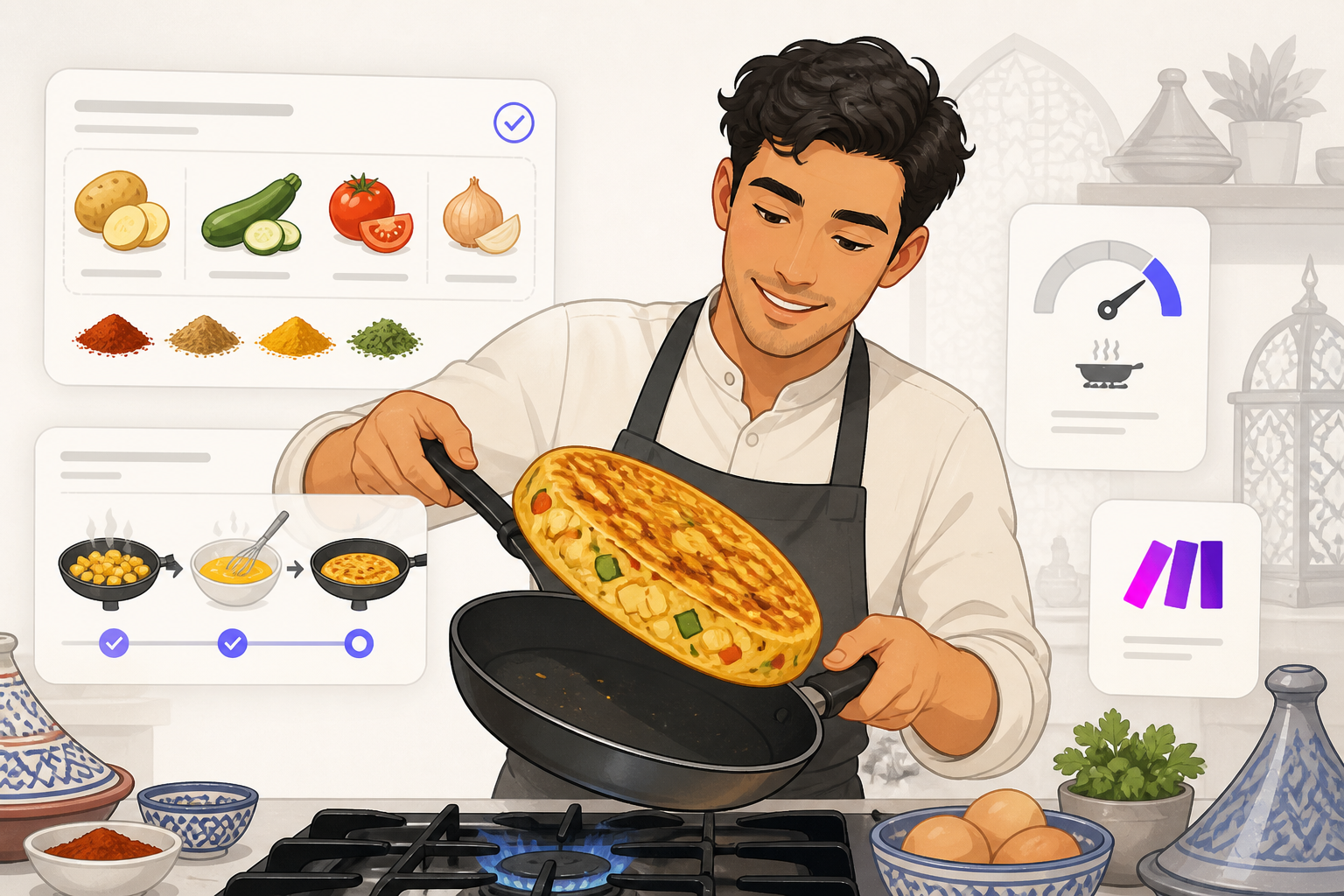
Most home cooks treat the Moroccan tortilla as a simple potato omelette, but the secret to the street-food staple lies in the precise balance of spice blooming and egg coagulation. We analyzed traditional Maakouda techniques and Spanish influences to bring you the definitive professional fusion guide for 2026.
The Al-Andalus culinary bridge remains one of the most vibrant legacies of the Mediterranean, where Spanish technique and North African aromatics collide in a single skillet. While the classic Spanish tortilla de patatas relies on the purity of eggs and oil, the Moroccan adaptation introduces a layer of complexity that transforms the dish from a humble side to a centerpiece. In this guide, we will walk you through the professional secrets of texture management, spice distribution, and the mechanical precision required for the perfect inversion. Whether you are serving this as a tapas-style appetizer or a hearty sandwich filler, mastering this fusion dish is an essential skill for any modern home chef.
What is a Moroccan tortilla?
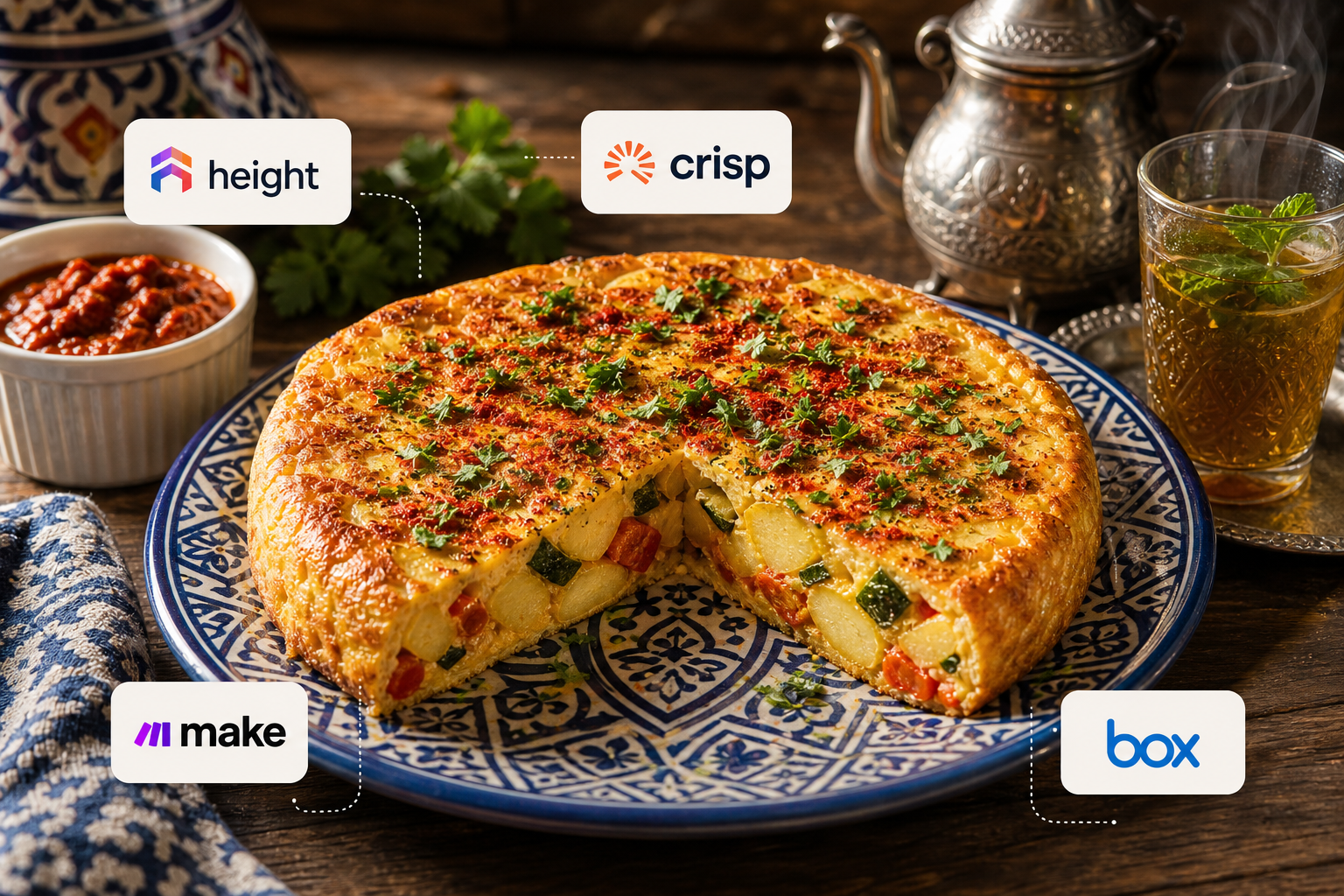
The Moroccan-Spanish tortilla is more than just a variation of an omelette; it is a historical record of cultural exchange. Originating from the Spanish influence in North Africa, this dish has been adopted and adapted into a staple of Moroccan street food culture. While the basic foundation of potatoes and eggs remains consistent with its Iberian ancestor, the Moroccan version is distinguished by its vibrant use of seasonal vegetables and a warm, earthy spice profile.
In the bustling markets of Marrakech or Tangier, you will find this dish served in homes, cafes, and by street vendors who have perfected the art of the quick, satisfying meal. It serves as a versatile culinary bridge between the minimalist traditions of Spain and the aromatic complexity of the Maghreb. Understanding this dish requires an appreciation for how Spanish technical mastery (the “flip”) met the Moroccan love for bold seasoning.
It is also important to clarify the difference between a tortilla and Maakouda. While both are potato-based staples of traditional Moroccan food, Maakouda typically refers to small, deep-fried potato fritters. The tortilla, by contrast, is a larger pan-omelette that relies on slow coagulation rather than high-heat frying. Maakouda is often mashed and battered, whereas a true Moroccan tortilla preserves the structural integrity of the potato slices or cubes, bound together by a seasoned egg mixture.
Essential ingredients for the perfect Moroccan tortilla
Creating a professional-grade tortilla starts with ingredient selection. You cannot simply use any potato or spice blend and expect the structural integrity and flavor profile that defines the best street-food versions. We have broken down the essentials into four categories: the starch, the spices, the heat, and the binder.
The starch: Choosing the right potatoes
For a tortilla that holds its shape during the flip, you need potatoes with a high degree of structural integrity. Waxy potatoes, such as the Nicola variety, are ideal because they contain less starch and more moisture than floury types. This means they hold their structural integrity even after being fried or boiled, preventing the interior of your tortilla from turning into a mushy puree. If you prefer a slightly softer bite, a medium-starch potato can work, but avoid starchy baking potatoes like Russets, as they will break down too quickly in the pan.
The spices: The Moroccan signature
What truly separates the Moroccan version from the Spanish classic is the “Moroccan Signature” spice blend. While the Spanish version often uses only salt and pepper, the Moroccan tortilla demands a more aromatic approach. Cumin and paprika are non-negotiable, providing the earthy base and smoky color that the dish is known for. Fresh parsley and coriander (cilantro) add a brightness that cuts through the richness of the oil and eggs.
| Essential Moroccan Spices | Flavor Profile | Culinary Purpose |
|---|---|---|
| Cumin | Earthy and warm | Provides the foundational Moroccan aroma |
| Paprika | Smoky and sweet | Adds deep color and subtle sweetness |
| Parsley | Fresh and herbal | Brightens the rich egg and oil mixture |
| Coriander | Citrusy and sharp | Adds a layer of complexity to the finish |
The heat and the binder
To achieve an authentic kick, many traditional recipes incorporate a touch of Harissa or cayenne pepper. This heat should be subtle, designed to warm the palate rather than overwhelm the delicate flavor of the eggs. Speaking of eggs, the binder is the most critical technical component. High-quality, large eggs provide the rich coagulation needed to hold the heavy potato and vegetable mixture together. In our professional tests, we have found that whisking the eggs just enough to break the yolks, without incorporating too much air, results in a denser, more satisfying texture.
Step-by-step: How to cook the ultimate Moroccan-Spanish tortilla
Mastering the mechanics of the tortilla is a rite of passage for any Mediterranean cook. The process requires patience and a gentle hand with the heat. Here is the professional workflow for 2026.
Step 1: Prep and pre-boil
Start by dicing your Nicola potatoes into uniform half-inch cubes. Uniformity is key for even cooking. Many home cooks go straight to the frying pan, but we recommend a quick par-boil in salted water for about 5 to 7 minutes. This manages the potato starch and ensures the interior is perfectly tender before it ever touches the oil. Once drained, let the potatoes air-dry for a few minutes: excess moisture is the enemy of a good sauté.
Step 2: Sautéing and spice blooming
Heat a generous amount of extra-virgin olive oil in a non-stick skillet over medium heat. Add your diced yellow onions and sauté until they begin to caramelize. This is where you perform “spice blooming”: add your cumin, paprika, and cayenne directly into the oil with the onions. Cooking the spices in fat for 30 to 60 seconds unlocks their essential oils, creating a much deeper aromatic profile than simply stirring them into the eggs. Add diced zucchini and tomatoes at this stage, cooking until they are softened but still hold their shape.
Step 3: The egg infusion
In a large bowl, whisk 6 to 8 large eggs with a pinch of salt and your fresh parsley. Add the warm potato and vegetable mixture directly into the egg bowl. This is an essential professional step: the residual heat from the vegetables begins to gently warm the eggs, creating a more cohesive “batter” before it goes back into the pan. Let the mixture sit for 5 minutes so the potatoes can absorb some of the egg, which prevents them from falling out of the structure later.
Step 4: Pan frying and the inversion
Wipe your skillet clean and add a fresh tablespoon of oil. Pour the egg and potato mixture back in, spreading it evenly. Cook on medium-low heat for about 10 minutes. You are looking for the edges to solidify and slightly pull away from the sides of the pan. Now comes the “Plate-Flip”: place a flat, rimless plate over the skillet. With one confident motion, invert the pan so the tortilla lands on the plate.
Slide the tortilla back into the pan to cook the other side for another 3 to 5 minutes. Use a spatula to gently tuck the edges in, creating that iconic rounded puck shape.
Step 5: Resting and setting
Do not cut into the tortilla immediately. The internal carry-over heat is essential for finishing the coagulation process without overcooking the exterior. Slide the tortilla onto a serving plate and let it rest for at least 10 to 15 minutes. This allows the structural proteins to set, making it much easier to slice into clean, professional wedges.
Serving suggestions: From street food to tapas
One of the reasons the Moroccan tortilla is so beloved is its versatility. It can be a sophisticated appetizer or a rugged street-food snack. If you want to experience it the traditional way, try the “Bocadillo” style. This involves slicing the tortilla into thick strips and serving it inside a fresh baguette or a piece of Moroccan khubz. The bread soaks up any residual oil and spices, making for an incredibly satisfying sandwich.
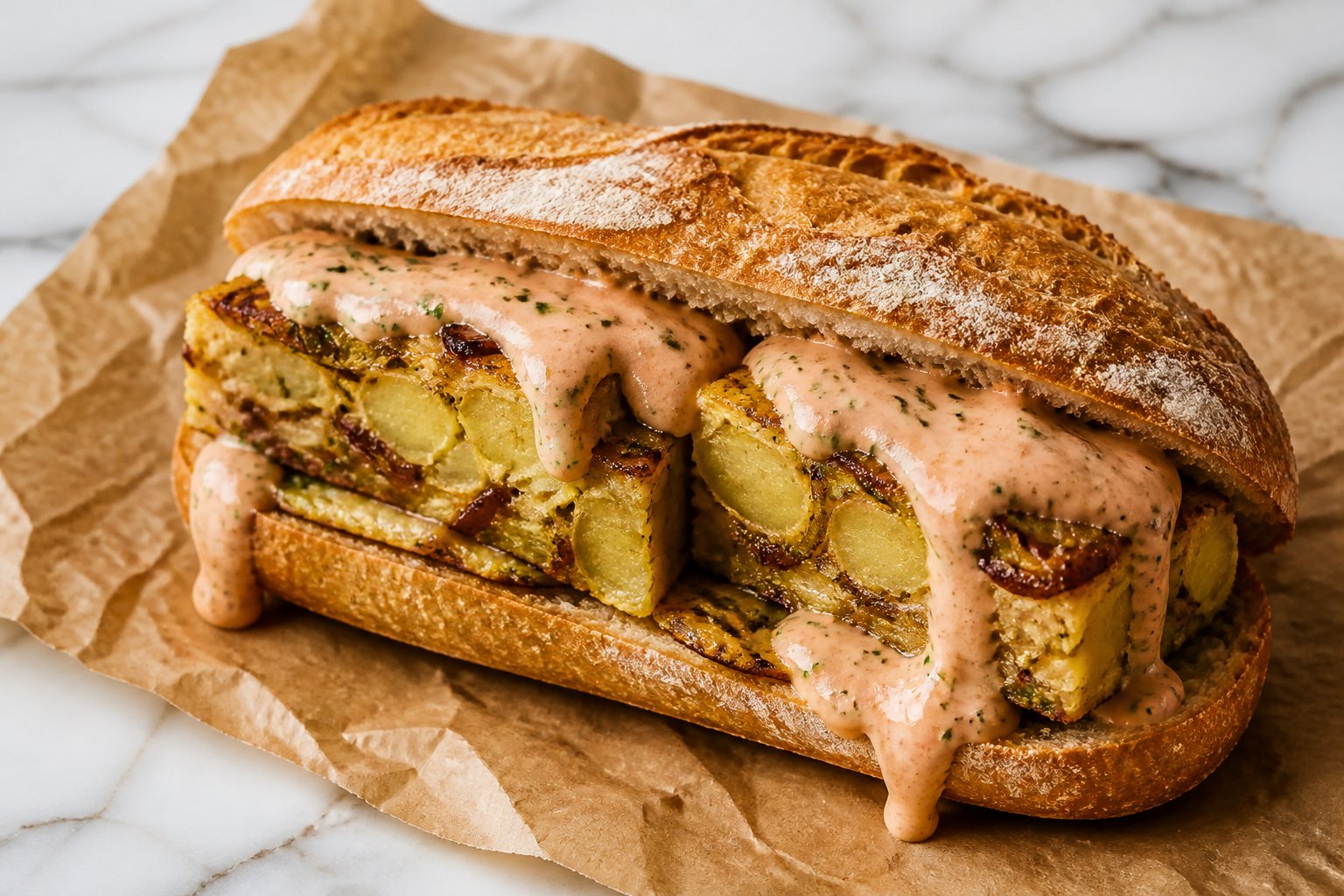
For a more modern presentation, serve the tortilla at room temperature alongside a few well-chosen condiments. A simple harissa-yogurt dip or a traditional tomato-based sauce can provide the acidity needed to balance the rich potatoes. If you are building a full Mediterranean spread, this tortilla pairs beautifully with our quick Mediterranean chickpea salad recipe, which adds a refreshing crunch to the meal.
In Moroccan cafes, it is common to see the tortilla served alongside a pot of fresh mint tea. The sweetness of the tea and the savory, spiced notes of the omelette create a classic flavor pairing that has sustained travelers and locals alike for generations.
Common mistakes and pro tips for 2026
Even with a professional guide, a few common pitfalls can ruin a good tortilla. The most frequent issue we see is the “rubbery” egg texture. This is almost always caused by using heat that is too high. High heat causes the egg proteins to bond too tightly and squeeze out moisture, leading to a tough, dry finish. Always cook “low and slow” once the eggs are in the pan.
Another essential tip is to manage your spice distribution. If you find your spices are clumping or tasting “raw,” it is likely because you skipped the spice blooming step in Step 2. Using paprika correctly requires fat to carry the flavor, so always ensure your spices meet the oil before the eggs.
Finally, remember the importance of temperature control when mixing. If you add piping hot potatoes directly to your eggs without letting them cool slightly or mixing them with the other vegetables first, you risk scrambling the eggs before they even hit the pan. Aim for a “warm but not hot” mixture for the best integration.
Mastering the art of Moroccan-Spanish fusion with Cook & Meals
The journey of the Moroccan tortilla is a testament to how simple ingredients, potatoes, eggs, and spices, can be transformed through technique and cultural fusion. By mastering the balance of waxy potato selection and the aromatic blooming of cumin and paprika, you can bring a piece of the Al-Andalus legacy into your own kitchen.
At Cook & Meals, we believe that professional results come from understanding the “why” behind every step, from the science of coagulation to the mechanics of the perfect flip. We hope this guide empowers you to experiment with these bold flavors and share them with your friends and family.
If you enjoyed this potato-focused masterclass, you might also want to try our how to make cheesy baked potato casserole for another classic take on everyone’s favorite root vegetable. Explore more of our professional guides and recipes to keep your 2026 culinary journey moving forward.
Frequently Asked Questions
What is the most important spice for an authentic Moroccan tortilla?
While many spices are used, cumin is the foundational aromatic that provides the earthy, warm flavor profile essential to the Moroccan version of this dish.
Can I use sweet potatoes instead of regular potatoes in this Moroccan recipe?
You can, but keep in mind that sweet potatoes have a different starch profile and will soften much faster, which might affect the structural integrity during the flip.
How many eggs are needed for a standard Moroccan-Spanish tortilla?
For a standard 10 inch skillet, we recommend using 6 to 8 large eggs to ensure there is enough binder to hold the heavy potato and vegetable mixture together.
Is it possible to bake the potato and egg mixture instead of pan-frying it?
Yes, you can bake the mixture at 180 degrees Celsius (350 degrees Fahrenheit) for about 20 to 25 minutes, although you will miss out on the traditional crust formed by the pan.
Should the tortilla be served hot or cold?
It is incredibly versatile and can be served hot, at room temperature, or even cold. However, letting it rest for at least 15 minutes after cooking is essential for the best texture.
What kind of oil is best for frying the potatoes and vegetables?
Extra-virgin olive oil is the professional choice, as it provides a rich flavor that complements the Moroccan spices and helps create a beautiful golden crust.
How do I prevent the omelette from sticking to the pan during the flip?
Using a high-quality non-stick skillet and ensuring you have enough oil at the start of the final frying stage are the best ways to ensure a clean release during the flip.