Learn how to make authentic Moroccan couscous from scratch with this comprehensive step-by-step guide. Discover traditional techniques, authentic ingredients, and regional variations.
July 6, 2026 · 12 min read
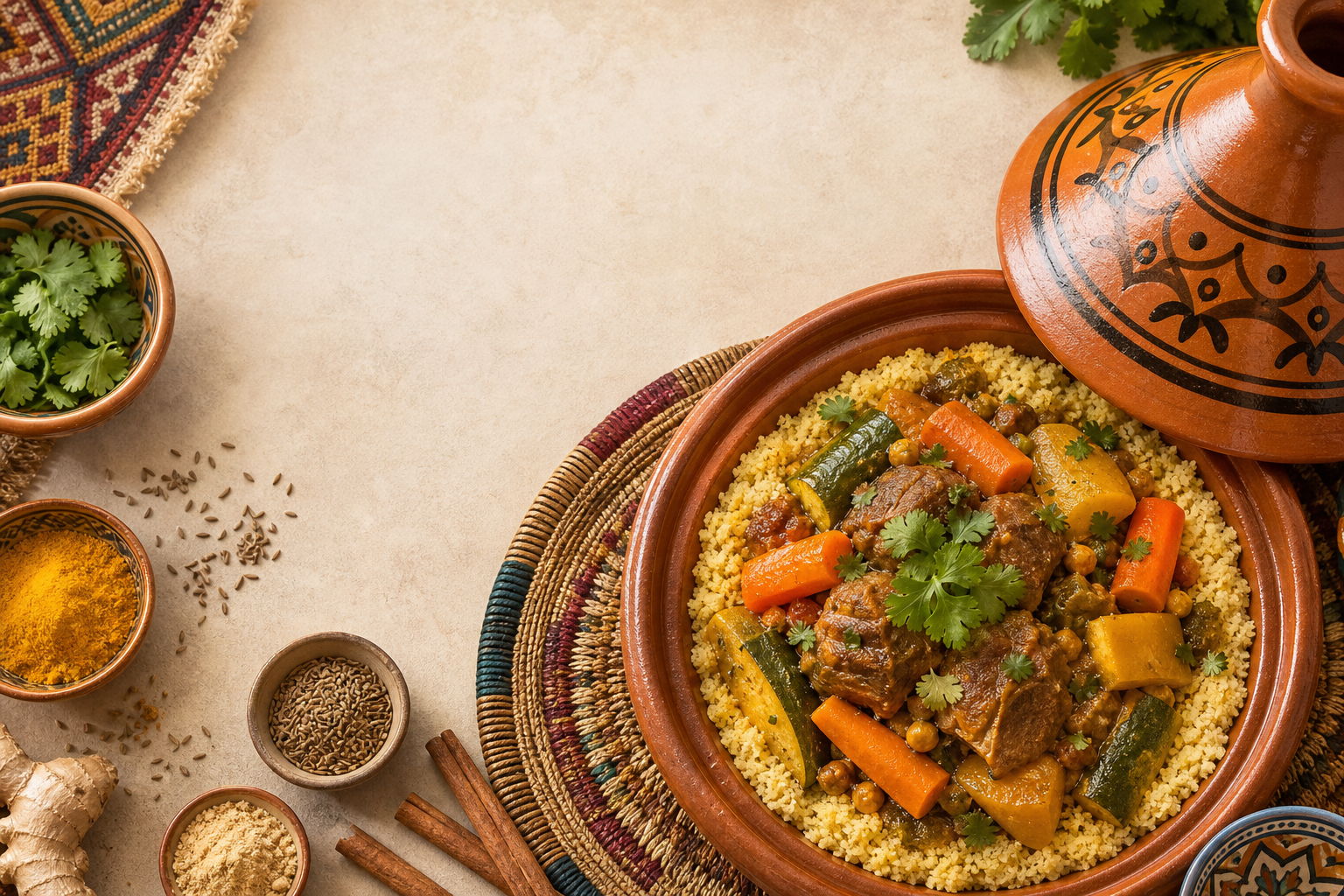
TL;DR
Traditional Moroccan couscous combines hand-rolled semolina steamed in a couscoussier with an aromatic tagine stew of vegetables, legumes, and meat. The key to authentic couscous is proper hydration, careful fluffing to break up lumps, and steaming above the tagine to absorb flavors. Master the traditional technique using quality durum wheat couscous and authentic spices, and you’ll create a dish that’s light, fluffy, and deeply flavorful-a celebration of North African culinary tradition.
What Makes Traditional Moroccan Couscous Different
Moroccan couscous represents far more than just a meal-it’s a cultural cornerstone of North African hospitality, tradition, and family connection. The dish has evolved over a thousand years, with roots tracing back to Berber communities and the introduction of durum wheat across the Mediterranean.
What sets authentic Moroccan couscous apart from quick-cook versions or Western adaptations is the methodology. Every step, from hand-rolling the semolina to steaming above a simmering tagine, serves a purpose: building flavor, creating texture, and honoring a culinary heritage. The couscous doesn’t just sit in hot water-it steams above the aromatic broth, absorbing spice-infused steam that permeates every grain.
The result is distinctly different from instant couscous prepared in a bowl. Grains are individually separated, light enough to almost float on the plate, and carry the warmth of turmeric, cumin, and cinnamon throughout. Paired with a slow-cooked vegetable and meat tagine, it becomes a complete expression of Moroccan cooking philosophy: simple ingredients elevated through technique and time.
Sourcing Authentic Ingredients for Your Moroccan Couscous Recipe
The difference between a good Moroccan couscous recipe and an exceptional one often comes down to ingredient sourcing. Supermarket staples simply don’t carry the depth of authentic sources.
Couscous (Semolina)
Seek medium-grain durum wheat couscous, preferably hand-rolled by small producers. Brands like Bab Ailen and other North African producers are worth seeking out from specialty retailers. The granule size matters-too fine and you get a pasty result, too coarse and the texture becomes gritty. Medium grain steams evenly and creates that ideal light, fluffy consistency.
Spices That Define the Dish
- Turmeric – Not just for color; authentic turmeric adds earthiness and subtle bitterness that balances the dish’s richness
- Cumin – The backbone of tagine flavor; use whole seeds when possible and toast before grinding for deeper complexity
- Cinnamon – Adds warmth without sweetness; essential for the subtle spice balance
- Fresh Ginger – Provides brightness and a gentle heat that evolves as the tagine simmers
- Paprika – Contributes both flavor and the golden-red hue characteristic of tagines
- Coriander – A supporting player that adds subtle citrus notes
Store spices in airtight containers away from heat and light. Whole spices, freshly ground, outperform pre-ground versions by a significant margin.
Vegetables That Matter
The seven-vegetable tradition isn’t arbitrary. Carrots add natural sweetness that balances savory spices. Zucchini and squash provide texture variety and absorb tagine liquid. Turnips offer a traditional earthiness. Peas add color and a slightly sweet finish. Onions and garlic form the aromatic base. This combination has been refined over centuries for good reason.
The Traditional Moroccan Couscous Recipe: Step-by-Step
Part 1: Preparing the Tagine Stew (45 minutes)
Ingredients (serves 4-6):
- 2 lbs lamb or chicken, cut into 2-inch pieces
- 3 tablespoons olive oil
- 2 large onions, diced
- 4 cloves garlic, minced
- 1 tablespoon fresh ginger, minced
- 2 teaspoons turmeric
- 2 teaspoons cumin
- 1 teaspoon cinnamon
- 1 teaspoon paprika
- 4-5 cups vegetable or chicken broth
- 2 cans (15 oz each) chickpeas, drained and rinsed
- 3 carrots, cut into 2-inch pieces
- 2 medium zucchini, cut into 2-inch pieces
- 1 small butternut squash, peeled and cubed
- 1 turnip, cut into 1-inch pieces
- Salt and pepper to taste
- Fresh cilantro for garnish
Step 1: Sear the Protein
Heat 3 tablespoons olive oil in a heavy pot or Dutch oven over medium-high heat. Working in batches to avoid crowding, brown the lamb or chicken pieces on all sides, approximately 3-4 minutes per side. This develops flavor through the Maillard reaction. Set the seared meat aside on a plate-don’t skip this step, as it’s essential for depth of flavor.
Step 2: Build the Aromatic Base
In the same pot, add diced onions and sauté for 3-4 minutes until softened and beginning to brown. Add minced garlic and fresh ginger, stirring constantly for about 1 minute until fragrant. This is where the foundation of your tagine’s aroma comes from.
Step 3: Bloom the Spices
Reduce heat to medium. Add turmeric, cumin, cinnamon, and paprika. Stir constantly for 1 minute-this crucial step, called “blooming,” releases the essential oils in the spices and intensifies their flavor. You should smell the warm, complex aroma bloom in your kitchen.
Step 4: Deglaze and Combine
Pour in 4-5 cups of broth, scraping up any browned bits stuck to the pot bottom-these contain concentrated flavor. Return the seared meat to the pot. Bring to a simmer, then reduce heat to low. Cover and cook for 30-35 minutes, until the meat is nearly tender.
Step 5: Add Vegetables Strategically
Moroccan cooking respects cooking times. Add longer-cooking vegetables first: carrots, turnips, and squash. Simmer for 15-20 minutes. Then add faster-cooking vegetables like zucchini and peas, simmering an additional 8-10 minutes until all vegetables are tender but not falling apart.
Step 6: Season and Adjust
Taste the tagine. Season with salt and pepper as needed. Remember that flavors have concentrated during cooking-be conservative and taste frequently. The stew should taste rich, aromatic, and balanced between savory and subtle sweet spice notes.
Part 2: Preparing the Couscous (30 minutes)
Ingredients:
- 2 cups traditional durum wheat couscous
- 3 cups light broth or water
- 2 teaspoons salt
- 2 tablespoons butter (optional but traditional)
Step 1: Measure and Initial Hydration
Place 2 cups of raw couscous in a large, wide bowl. Add 1.5 cups of water or light broth plus 1 teaspoon salt. Stir gently with a fork, distributing the liquid evenly throughout the couscous. This initial hydration begins the cooking process. Let rest for 5 minutes, allowing grains to absorb water.
Step 2: Break Up All Lumps
Using your fingers or a fork, gently work through the couscous, breaking apart any clumps. This is essential-lumpy couscous becomes dense and unpleasant. Take time with this step. The grains should feel like wet sand, with each grain separating.
Step 3: Steam in a Couscoussier
A traditional couscoussier (a two-part pot with a perforated upper section) is ideal, but a colander or steamer basket suspended above a pot of simmering tagine works well too. Place the couscous in the perforated upper pot above the simmering tagine (or above a pot of simmering broth if cooking separately). The steam from the tagine carries its aromatic flavors up into the couscous-this integration is what authentic preparation offers.
Step 4: First Steam and Aeration
Steam the couscous for 15-20 minutes. About halfway through, remove the couscous from the steamer, spread it on a large platter or back into your bowl, and break up any clumps that have formed. This aeration is crucial for light, fluffy texture. Use a fork to gently separate grains, being careful not to crush them.
Step 5: Optional Second Hydration
Some traditional recipes include a second hydration: spray the couscous lightly with water or broth, let rest briefly, then steam again for an additional 5-10 minutes. This creates extra fluffy, almost cloud-like couscous. This step is optional but recommended for first-timers seeking that perfect texture.
Step 6: Final Fluffing and Serving
Remove the couscous from heat. Spread it on a large serving platter, creating a slight mound. If using butter, dot across the surface and gently mix through. The couscous should be hot, light, and fluffy-each grain separate.
Assembly and Serving
Create a well in the center of your couscous mound. Ladle the tagine stew and its vegetables over the top, allowing the broth to soak into the couscous from above. Serve with extra broth on the side-this is crucial, as it allows each diner to adjust the moisture level to their preference. Garnish with fresh cilantro.
The contrast between the light, fluffy couscous and the rich, aromatic tagine is the whole point. The couscous’s delicate texture should provide a canvas for the complex spice flavors of the stew.
Regional Variations and Modern Takes
Moroccan couscous isn’t monolithic. Different regions and occasions call for different approaches, each with its own logic and tradition.
Couscous with Seven Vegetables (Couscous aux Sept Légumes) – The celebration dish. Traditionally served at weddings and major celebrations, this version features seven specific vegetables representing abundance and community. The number seven holds cultural significance. Each vegetable is added strategically based on cooking time to remain distinct and properly textured.
Couscous with Lamb and Prunes (Couscous aux Pruneaux) – A sweet-savory combination that highlights the interplay of dried fruit with savory spices. The prunes soften during cooking and add subtle sweetness that balances cinnamon and ginger. Common in special-occasion meals.
Couscous with Only Chickpeas – The vegetarian traditional standard. Remarkably flavorful despite the absence of meat, this version relies on carefully layered spices, quality ingredients, and extended cooking time to develop depth. Chickpeas provide protein and texture.
Coastal Couscous – Regions near the Mediterranean and Atlantic prepare couscous with fish tagine rather than meat. Lighter and more delicate, it highlights the couscous’s ability to pair with various proteins while maintaining its identity.
Quick-Cook Modern Version – Contemporary cooks often use instant or quick-cook couscous, reducing preparation to 30-45 minutes total. While faster, it sacrifices some of the flavor integration that steaming above the tagine provides. It’s a practical adaptation for modern schedules while maintaining enough authenticity for good results.
The choice among variations often depends on occasion, available ingredients, and personal preference. None is more “correct” than the others-they’re all authentic expressions of Moroccan culinary tradition adapted to different contexts.
Common Mistakes That Ruin Your Moroccan Couscous Recipe
Even with great ingredients and clear instructions, a few missteps can undo your effort.
Over-Packing the Couscous – The most common mistake. Packing couscous too tightly prevents steam from circulating freely. The result is dense, gluey, unappealing couscous. During hydration and especially during the lumps-breaking step, treat the couscous gently. Never press down or compact it.
Skipping the Couscoussier – Steaming above the tagine isn’t just traditional for show. It serves a real function: the couscous absorbs steam infused with the tagine’s aromatics. Simply soaking in hot water misses this flavor integration entirely. If a couscoussier isn’t available, a colander or mesh strainer suspended above the pot achieves the same effect.
Adding Too Much Liquid at Once – Couscous should absorb gradually, not become waterlogged at the start. The measured approach-1.5 cups water to 2 cups couscous initially, with potential light spraying later-prevents mushiness.
Not Breaking Up Lumps Thoroughly – Lumps set quickly during hydration. If you don’t break them up, they’ll remain in your finished dish. Spend adequate time on this step. Use your fingers gently; a fork can crush grains.
Rushing the Tagine Stew – The stew needs slow, gentle cooking for flavors to meld and develop. Rushing this process with high heat or shortened time produces a thin, one-dimensional result instead of the rich, balanced complexity that defines good Moroccan cooking.
Using Low-Quality Semolina – Cheap, powdery couscous from generic brands simply doesn’t perform well. The granule shape and texture matter. Investing in authentic durum wheat couscous from specialty sources makes a noticeable difference in your final result.
Try VieFrance
Creating authentic Moroccan couscous at home is entirely achievable, but it starts with quality ingredients. That’s where VieFrance comes in-they specialize in sourcing authentic French and Moroccan products specifically for home cooks serious about quality.
From traditional durum wheat couscous to freshly ground Moroccan spice blends, argan oil, and traditional couscoussiers, VieFrance carries everything needed to move beyond “decent” couscous to genuinely exceptional results. Their curated selection of authentic ingredients takes the guesswork out of sourcing, and their team’s knowledge about origin and quality standards ensures you’re getting the real thing. Whether you’re making your first Moroccan couscous or refining your technique, starting with VieFrance’s ingredient selection sets the foundation for success.
Frequently Asked Questions
Can you make traditional moroccan couscous with instant couscous?
While traditional couscous uses hand-rolled semolina steamed in a couscoussier, instant couscous works as a convenient shortcut. However, the texture and flavor integration differ. For authentic results, source traditional durum wheat couscous from specialty retailers and steam it properly above the tagine to absorb flavors.
How long does a moroccan couscous recipe take to prepare?
Traditional preparation takes 1.5 to 2 hours total: about 45 minutes for the tagine stew and 20-30 minutes for steaming the couscous. The bulk of time goes to slow-cooking the stew for flavor development. Using instant couscous or pressure-cooking can reduce this to 45 minutes.
What’s the best moroccan couscous recipe for vegetarians?
The traditional chickpea couscous (couscous with seven vegetables) is authentically vegetarian and deeply flavorful. Replace meat with extra chickpeas, lentils, or beans. Use vegetable broth instead of meat stock. The aromatic spices-turmeric, cumin, cinnamon, ginger-create richness without animal protein.
What ingredients are essential for a moroccan couscous recipe?
The foundation requires durum wheat couscous, aromatic spices (turmeric, cumin, cinnamon, ginger), onions, garlic, vegetables (carrots, zucchini, squash), chickpeas or legumes, and either lamb or chicken. Authentic spices and specialty ingredients elevate the dish significantly beyond using generic supermarket versions.
Why is my moroccan couscous recipe coming out lumpy or dense?
Lumpy couscous results from insufficient fluffing or over-packing. Use a fork to break up clumps during hydration, don’t stir too vigorously, and never pack the couscous pot. Steaming above the tagine (rather than just soaking) and aerating halfway through creates the light, fluffy texture that defines authentic couscous.